

When a resident is ready to leave your facility and return to community living, Community Transition Services makes the move possible.
The Information Center handles housing, documents, furniture, food, transportation, and ongoing care coordination. You refer; we manage the whole transition. That means safer discharges, lower readmission risk, and one less thing on your plate.
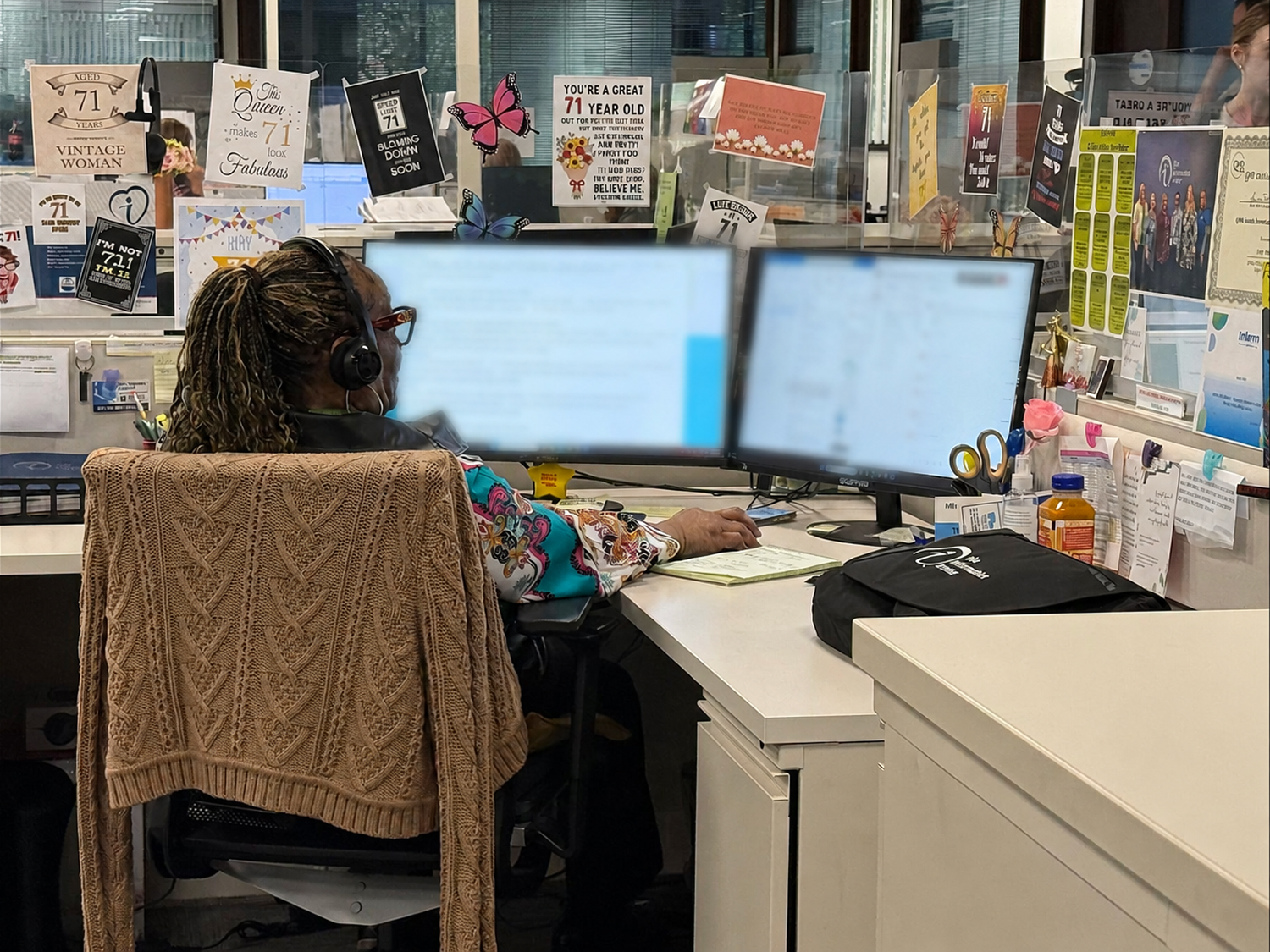
Why Social Workers Choose CTS
Reduced Readmission Risk. Residents leave your facility into a fully coordinated home environment. Housing, food, transportation, and ongoing care are already in place.
We Handle the Complexity. Helping to find housing, replacing IDs, furnishing the home, setting up ongoing care. It’s a lot. We take all of it.
Fast Response on Referrals. We act quickly to start the transition assessment and move the process forward.
Transition Navigator Stays With the Resident. One point of contact through the whole process, from referral to settling in at home.
Connection to Ongoing Support. Many of our CTS clients continue with ongoing in-home care through MI Choice or other options after transition. Your resident doesn’t go home without support.

What We Handle After Your Referral
Locating and securing housing (home, apartment, assisted living, adult foster care)
Replacing missing personal documents (IDs, birth certificates, Social Security cards)
Furnishing the new home with essentials
Stocking the pantry with food
Covering transition costs (security deposits, first month’s rent where applicable)
Coordinating transportation on moving day and for ongoing appointments
Connecting the resident to ongoing in-home care services
Follow-up after the move to ensure stability
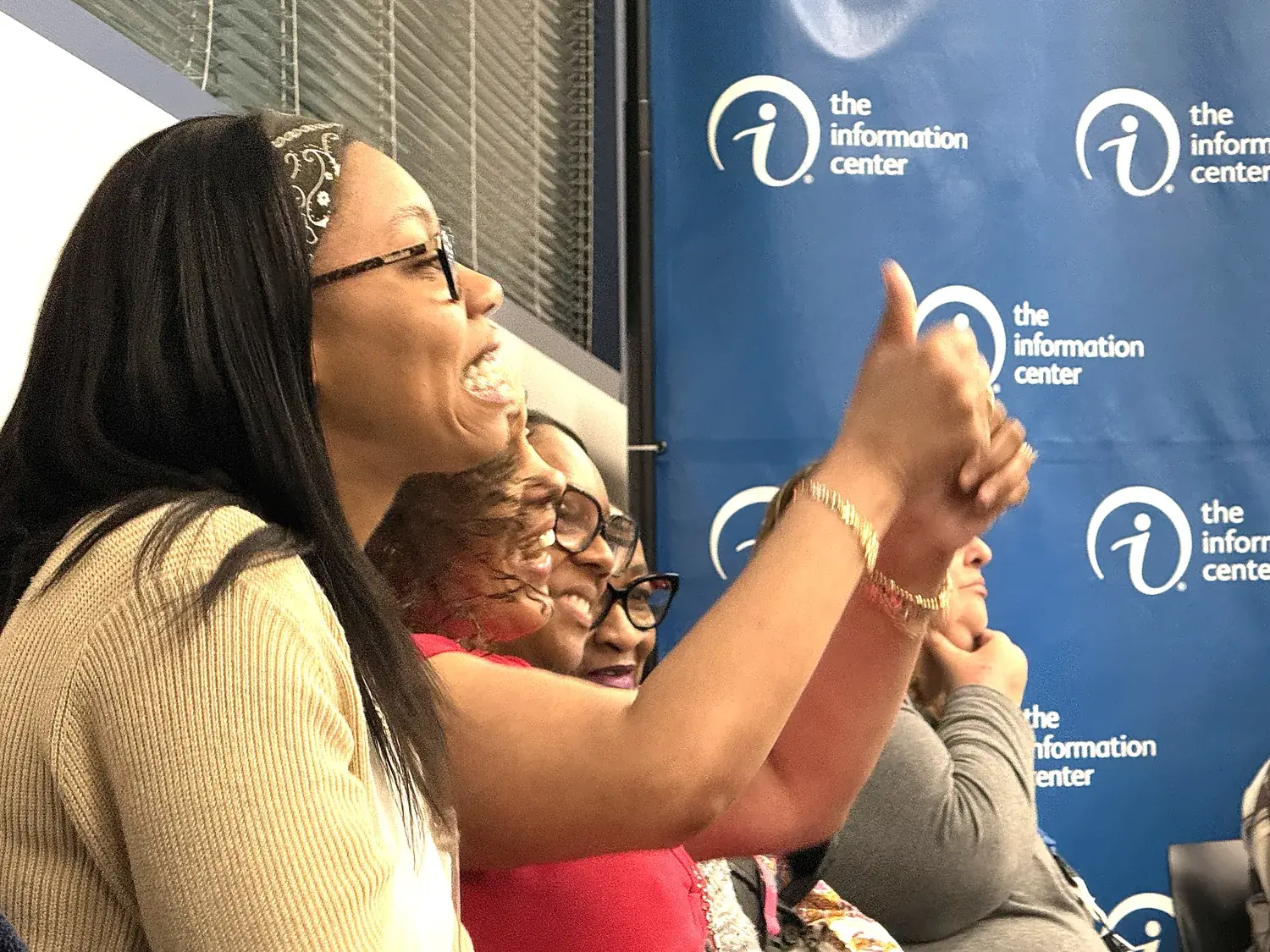
Safer Transitions, Lasting Results
Readmissions often happen because residents go home without adequate support, no housing, no food, no documents, no follow-up care
CTS closes those gaps before the move, not after
A transition navigator stays involved through move day and beyond
Ongoing care through MI Choice, PACE, Home Help, Home Health Care,
Habilitation Supports Waiver and Dual Insurance Plans
The result is safer discharges, fewer bouncebacks, better outcomes for your residents and your facility metrics
Residents Who Are a Fit for CTS
Refer residents who:
✓ Want to return to independent or community-based living
✓ Are medically stable enough to transition with appropriate support
✓ Have Medicaid, are eligible for Medicaid, or have a pending application
✓ Want to live in or move to Wayne, Monroe, Hillsdale, Jackson, Lenawee, Livingston, Oakland, or Washtenaw. County
✓ Lack the resources, housing, or coordination to transition on their own
Not sure if a resident qualifies? Refer them anyway, we’ll handle the assessment. It’s faster than pre-screening, and there’s no penalty for a referral that doesn’t move forward.

Have a Resident Ready for the Move?
You know your residents. We know how to get them home. Let’s work together.

Refer Someone
Is there someone you know who could use our services? Refer Here!

Partner with The Information Center
Together, we can do more. Partner with The Information Center and help your community find the support they need. Reach out today.
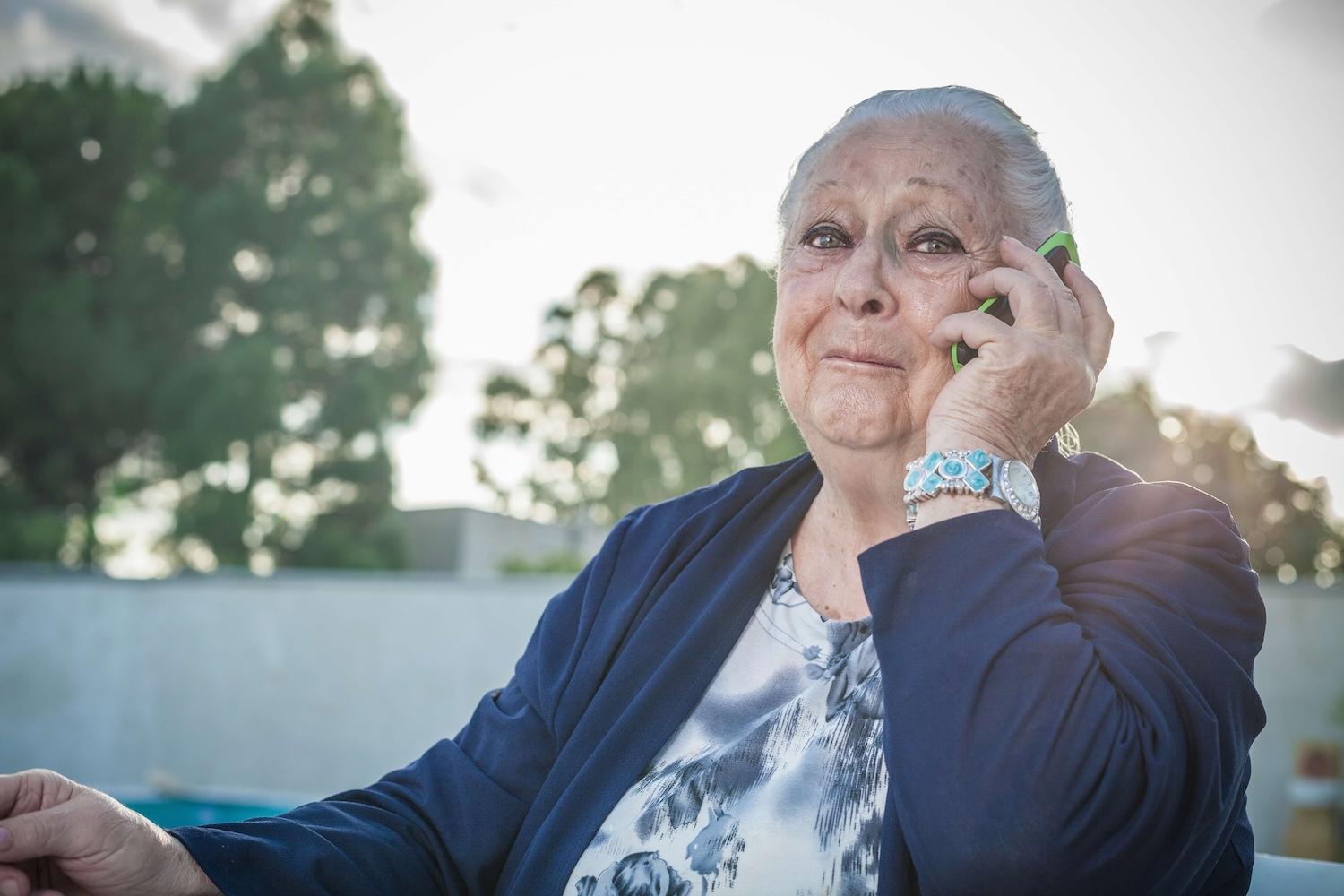
Call Us
Call us today. There is no obligation.
Common Questions from Social Workers
We prioritize timely responses on all referrals. Contact us to discuss current turnaround times for your facility.
Residents with pending Medicaid applications can still be referred.
If Medicaid status is unclear, we can help navigate the application process as part of the transition.
Yes. CTS is about the destination, not the origin.
If your resident wants to move into our service area, we can help coordinate the transition.
Yes. We help locate and secure housing based on the resident’s needs, independent living, apartment, assisted living, or adult foster care.
Every situation is different.
If a resident’s circumstances change, our transition navigator works with them to adjust the plan or identify alternative paths.
We don’t abandon people mid-transition.
Home health is typically short-term clinical care.
CTS coordinates the entire life transition, housing, documents, furniture, food, and ongoing care setup. The two can work together for medically complex discharges.